So your child wants to dance.
Welcome to the world of dance parenting!
If this is your family’s first experience with a dance studio, you probably have questions. When should children start? What do they wear? How many classes should they take? Will there be performances? And exactly how many bobby pins are you eventually going to own?
Probably more than you think.
Here’s what new dance parents should know.
How Young Can Children Start Dance?
Children can be introduced to movement and dance concepts at very young ages, although the appropriate starting age depends on the programs a studio offers and the individual child.
Early classes are usually less about perfect technique and more about movement, rhythm, coordination, listening, following directions, and having fun.
As students grow, instruction can become increasingly structured and technique-focused.
[See D&T Classes and Age Groups →]
What Kind of Dance Should My Child Take?
You don’t necessarily need to know immediately.
Ballet, jazz, tap, hip-hop, and other styles each offer something different. Your child’s age, personality, interests, experience, and goals can all help determine where to begin.
We’ve created a separate guide to help:
[Ballet, Jazz, Tap or Hip-Hop? How to Choose the Right Dance Class →]
What Will My Child Need?
Requirements vary by class, but your studio should provide information about appropriate attire, shoes, hair, and other supplies.
One of the best things a new dance parent can do is read studio communications carefully. Save important dates and ask questions when you’re unsure.
Expect a Learning Curve
Your child won’t know everything on day one.
That’s the point.
There may be movements they can’t do yet, terminology they don’t understand, choreography they forget, or days when another dancer seems to learn something faster.
Progress isn’t always linear.
Encourage effort and improvement rather than perfection.
Plan Ahead for Performance Season
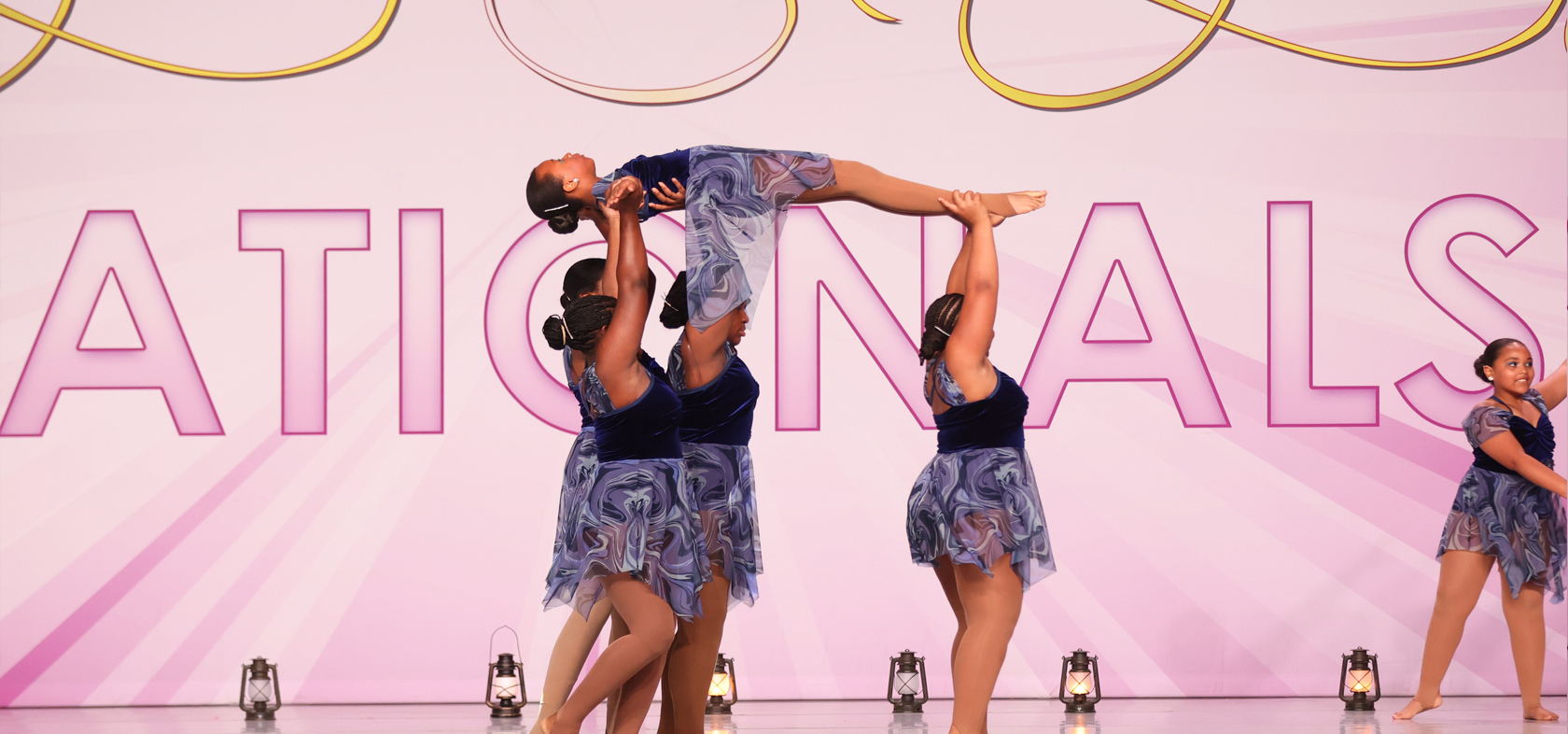
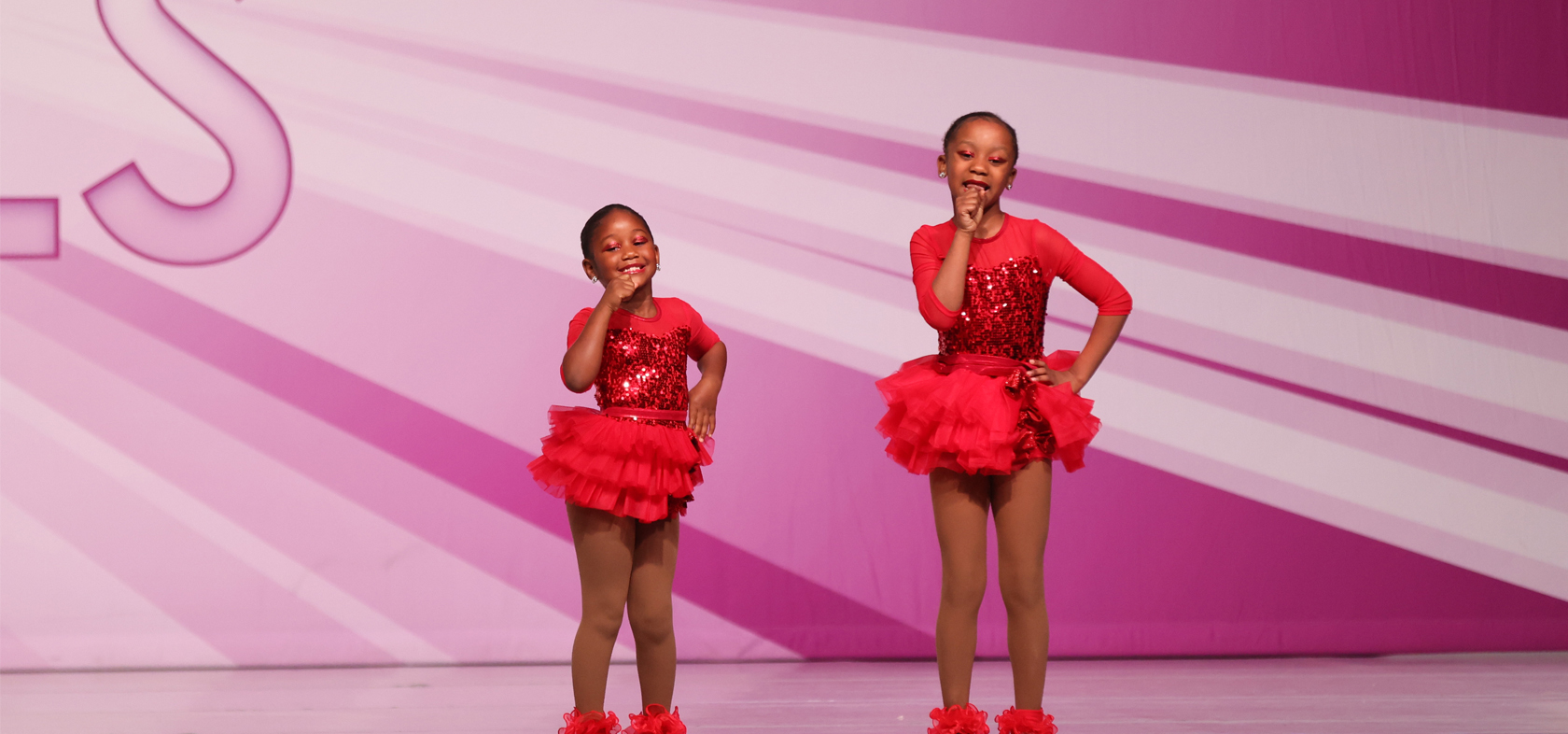
Recitals and performances are exciting, but they also require preparation.
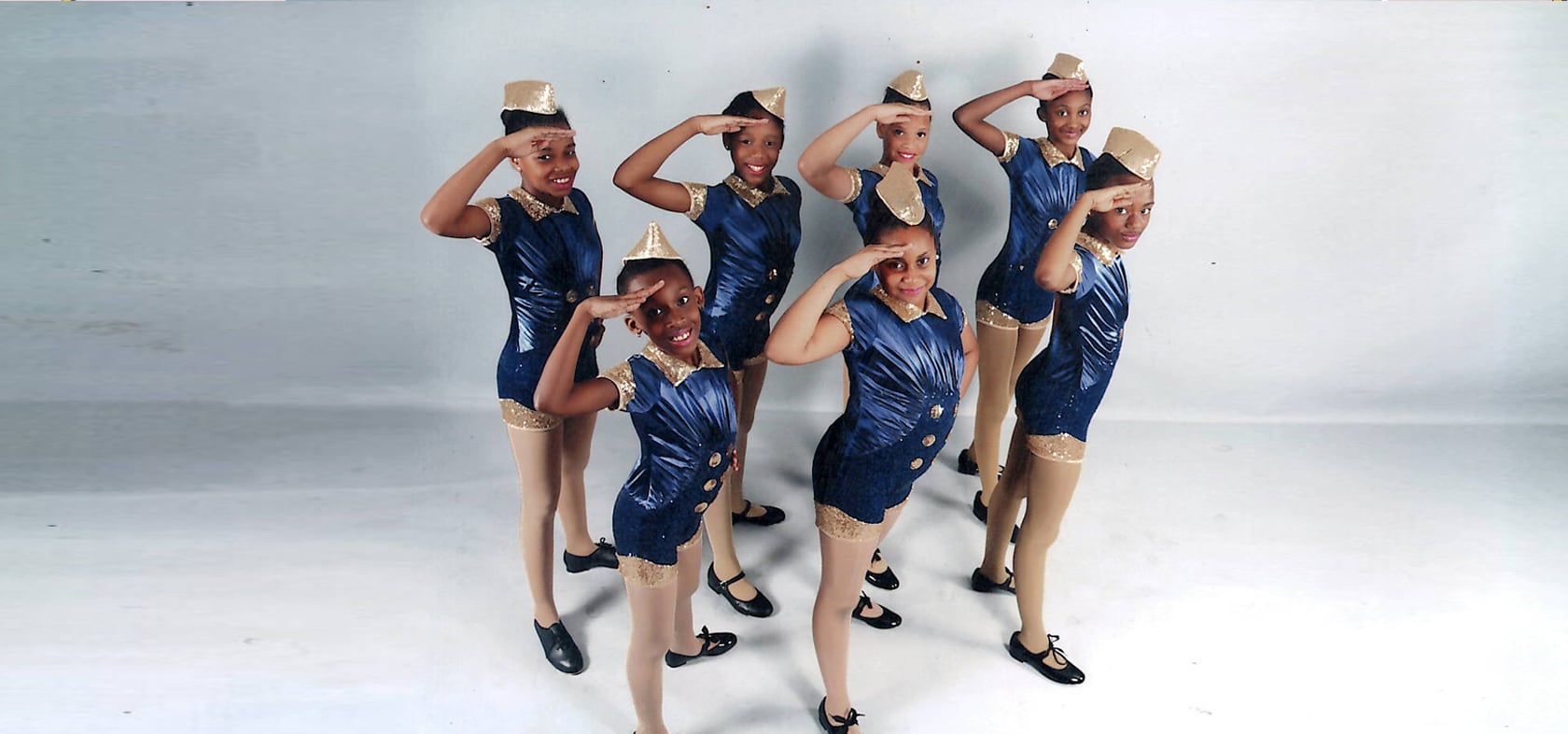
Families may need to plan for rehearsals, costumes, hair and makeup requirements, arrival times, tickets, photography, and other logistics.
Put important dates on your calendar early.
Your future self will thank you.
Be Their Support System, Not Their Second Dance Teacher
One of the greatest gifts you can give a young dancer is encouragement.
Let their instructors handle instruction and corrections. At home, you can ask questions like:
“What did you enjoy today?”
“What did you learn?”
“What are you proud of?”
That helps keep dance something your child loves rather than something they feel pressured to perfect.
Learn the Language
Dance comes with its own vocabulary.
Don’t worry. You aren’t expected to know everything.
We’ve created a D&T Dance Studio Glossary & FAQ to help families understand common dance terminology and studio language.
[Visit the Dance Glossary →]
Enjoy the Experience
There will be classes, costumes, rehearsals, pictures, performances, possibly competitions, and probably a few frantic moments along the way.
But there will also be friendships, milestones, applause, proud smiles, and memories.
Take the pictures.
Celebrate the progress.
Enjoy watching your dancer grow.
And welcome to the D&T family.
[Explore Classes →]
[Register Your Dancer →]
[Visit the Parent Hub →]